
Share Blog On
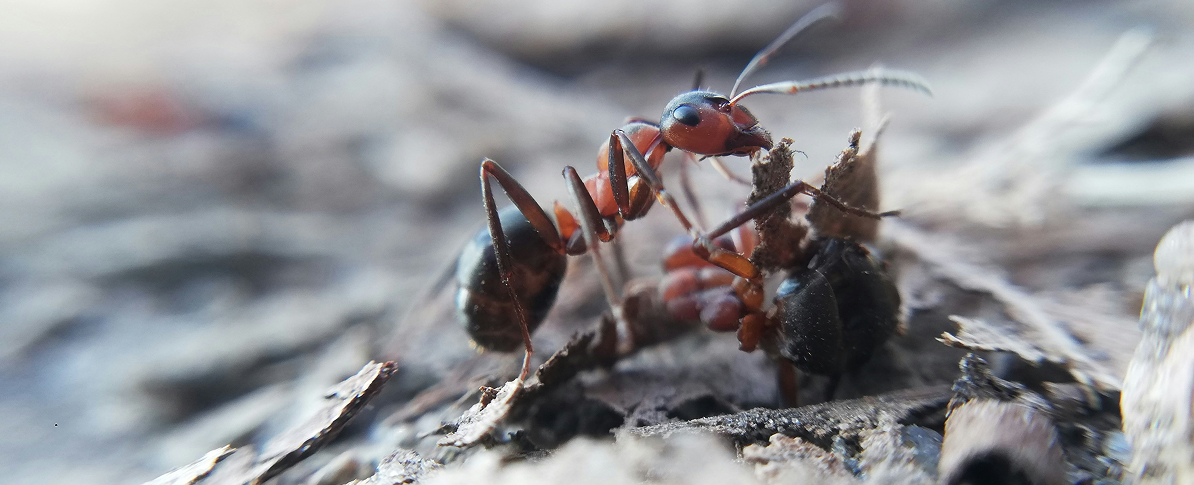
Ants may be small, but when warmer weather arrives, their colonies can cause big problems. Late spring and summer mark the busiest time for ant activity across New Zealand, making this the perfect season to stay proactive with pest maintenance.
Ants thrive in warm, dry conditions and become particularly active once temperatures rise above 20°C. Colonies of Argentine ants, Darwin ants, and white-footed house ants often expand rapidly during this period as they search for food and water. Treating your property early—before foraging trails and satellite nests spread—helps stop infestations before they take hold.
A comprehensive perimeter spray in late spring is the most effective defence. At this time, ants are actively establishing new nests and foraging routes, so surface treatments and baiting systems work best. Products can penetrate colonies while worker ants are still moving between nests and food sources.
As summer heats up, maintaining exterior barriers is key. Re-application ensures long-term protection, particularly after heavy rain or outdoor cleaning. Interior baiting can also help manage problem areas such as kitchens, skirting boards, and entry points.
By planning ahead and treating early, you can disrupt ant life cycles, protect your home, and enjoy a pest-free summer season.