
Share Blog On
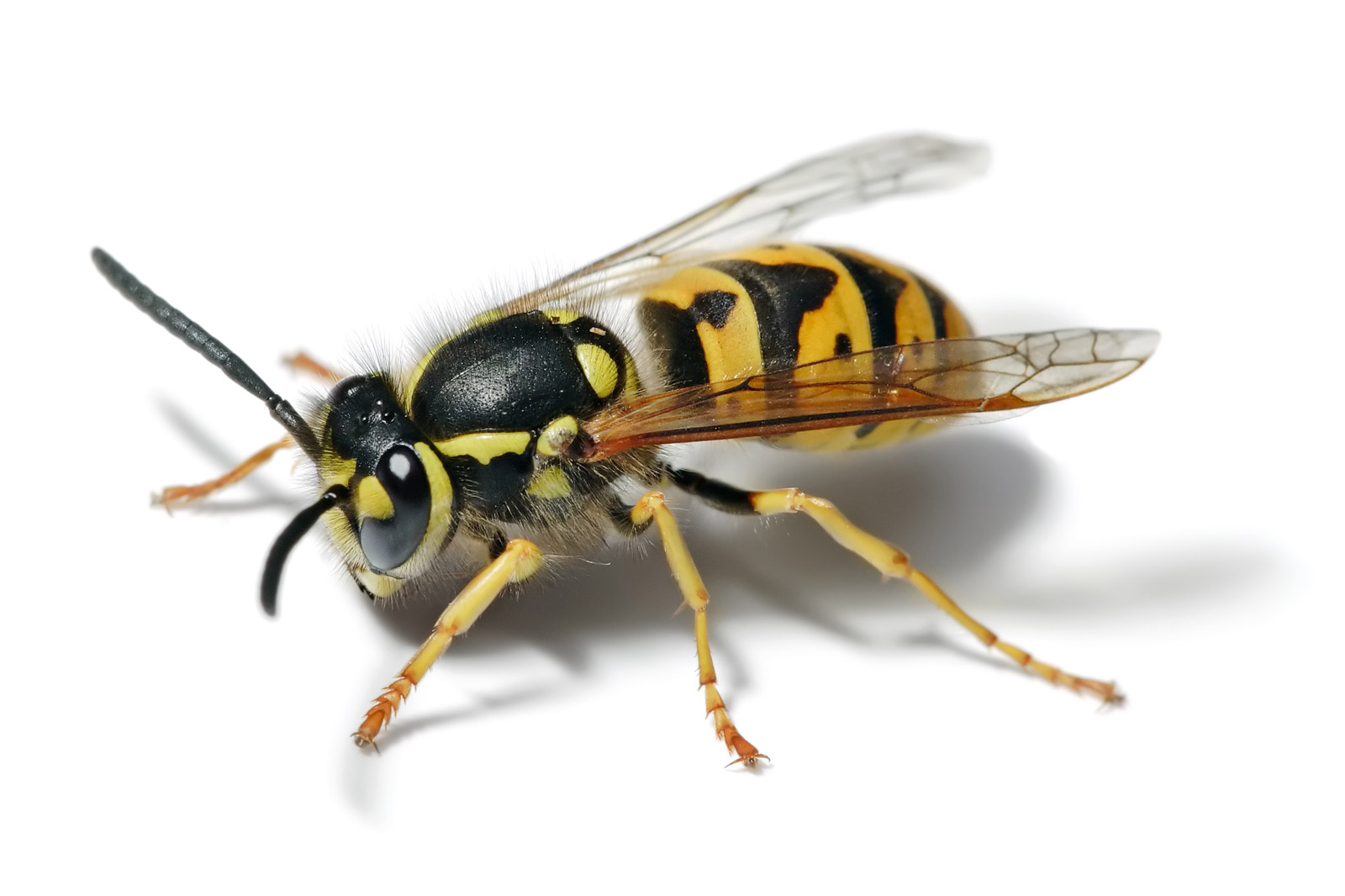
New Zealand’s late spring and summer bring sunshine—and wasps. While native species play an important ecological role, invasive wasps like the German wasp (Vespula germanica) and common wasp (Vespula vulgaris) can quickly become aggressive pests.
Wasps start building nests in late spring, often in roof voids, wall cavities, or garden shrubs. By acting early, you can prevent colonies from establishing. Once nests mature in midsummer, populations can exceed thousands of individuals, making removal more complex and risky.
Watch for increased flight paths near compost bins, flowering plants, or outdoor eating areas. Early embryo nests—typically the size of a golf ball—can be safely treated before they expand. Larger nests should always be handled by professionals with protective equipment and targeted insecticides.
Professional treatments not only eliminate existing nests but also leave residual protection to deter new queens from returning. Ongoing monitoring through late summer helps catch any secondary nests that may form nearby.
By treating early and maintaining control, you’ll reduce the risk of stings, protect local ecosystems, and enjoy outdoor spaces with confidence.